
Teeth that are damaged, decayed, or missing can cause several frustrating issues. If you’re dealing with a cracked tooth, severe decay, or gaps from lost teeth, it can be difficult to chew properly, leading to discomfort or pain while eating. Not to mention, these dental issues can affect the appearance of your smile, leaving you feeling self-conscious.
But don’t worry—crowns and bridges are here to help! A dental crown can restore a damaged tooth’s shape, size, and strength, while a bridge can fill in the gap left by a missing tooth, effectively restoring both function and aesthetics. With these solutions, you can regain the ability to eat comfortably, speak clearly, and smile confidently again!
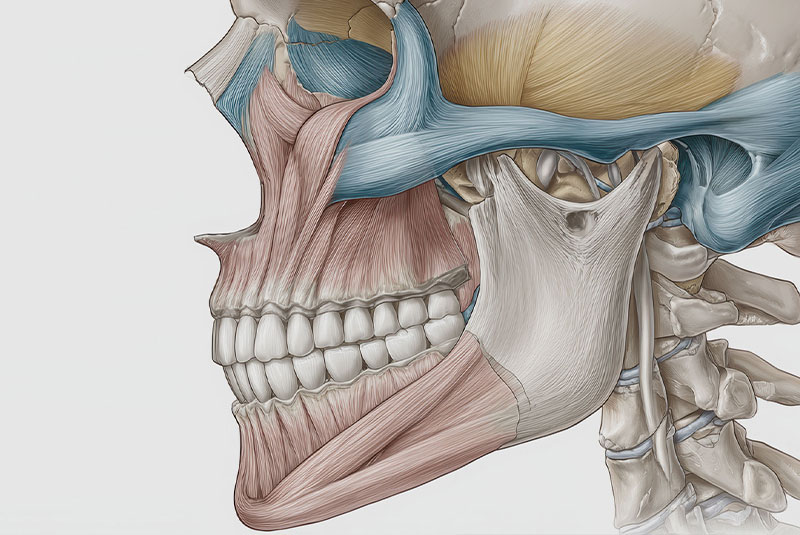
The temporomandibular joints are two small but remarkably complex joints located on either side of your face, connecting the lower jaw to the base of the skull. These joints are responsible for nearly every movement your mouth makes, such as chewing, speaking, yawning, and everything in between. They’re among the most frequently used joints in the entire body.
When something disrupts the function of these joints, whether that’s muscle tension, structural misalignment, teeth grinding, or injury, the effects can ripple well beyond the jaw itself. Patients with TMJ disorder in Happy Valley, OR, often experience discomfort in their neck, shoulders, and ears, and many are surprised to learn that their chronic headaches have a dental origin. Understanding the source of the problem is the first step toward treating it effectively.
TMJ disorder presents differently from patient to patient, and its symptoms can be easy to attribute to unrelated causes. If any of the following sound familiar, a TMJ evaluation with Dr. Tooke is worth scheduling:

For many, a custom-fabricated oral appliance is one of the most effective first steps in managing TMJ disorder. A night guard or splint is precisely designed to fit your bite and gently reposition your jaw into a more relaxed, natural alignment during sleep, reducing pressure on the joints and minimizing damage from clenching and grinding.
Unlike over-the-counter guards, Dr. Tooke’s appliances are made from detailed impressions of your teeth for a fit that is comfortable enough to wear consistently and effective enough to make a genuine difference in how you feel when you wake up.
BOTOX has become one of the most effective and increasingly popular treatment options for patients dealing with chronic jaw tension and TMJ-related discomfort. By delivering precise injections into the masseter muscles, the large muscles responsible for chewing and clenching, BOTOX temporarily reduces the intensity of muscle contractions, relieving the tension that drives so much of the pain associated with TMJ disorder.
Patients who receive BOTOX for TMJ in Happy Valley, OR, often report a significant reduction in jaw soreness, headaches, and nighttime grinding within days of treatment. Results typically last three to four months and can be maintained with periodic follow-up appointments. For patients who haven’t found adequate relief through other approaches, BOTOX can be a genuinely transformative option.
For patients in the earlier stages of TMJ disorder or those whose symptoms are primarily driven by muscle tension rather than structural issues, targeted muscle relaxation techniques can play a meaningful role in reducing discomfort over time.
Dr. Tooke may recommend a combination of at-home exercises, behavioral adjustments, and in-office guidance to help retrain the jaw muscles and reduce habitual tension patterns that contribute to pain.
When teeth have been worn down, chipped, or damaged due to chronic grinding or a misaligned bite, restoring those surfaces is often an essential component of comprehensive TMJ care.
Dental bonding, crowns, or veneers can rebuild the proper tooth contours and contact points that allow the jaw to close comfortably and evenly, removing a significant source of ongoing joint stress.
In some cases, the underlying driver of TMJ disorder is a bite that has never been properly aligned. When malocclusion is contributing to jaw strain and dysfunction, orthodontic treatment may be recommended to shift the teeth into positions that allow the jaw to function without unnecessary stress. Correcting the bite alignment addresses the problem at its source rather than simply managing its symptoms.
Patients who pursue TMJ treatment at Heritage Dental often describe the relief as life-changing, and it’s easy to understand why when you consider how much chronic jaw pain can affect daily life. Successful treatment can mean:

One of the most important things to understand about TMJ disorder is that the longer it goes unaddressed, the more opportunity it has to cause lasting damage. Chronic grinding wears away enamel that cannot grow back. Persistent joint stress can damage the cartilage and ligaments that support smooth, pain-free jaw movement. And habitual muscle tension can become increasingly difficult to retrain over time.
Seeking care at the first signs of a problem gives Dr. Tooke the best possible opportunity to intervene before any of that damage becomes permanent. At Heritage Dental, we offer flexible financing options to make sure cost never stands between you and the relief you deserve. If your jaw has been bothering you, the right time to act is now.